Week 7: Computational Couture — the Fabricademy class on 3D printed fashion
Fabricademy's Week 7 is called Computational Couture, and it is where the course's textile work meets computation. The class moves through four things: computation and the body, 3D modelling, parametric design, and the 3D printing techniques and materials that carry a design onto fabric.
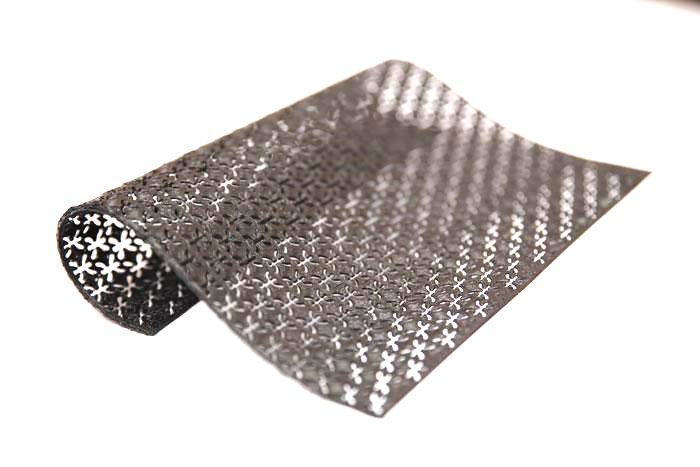
What the week covers
Computation and the body. Start from the body as data — measurements, movement, curvature — and let the geometry respond to it, instead of modelling a garment as a static shell.
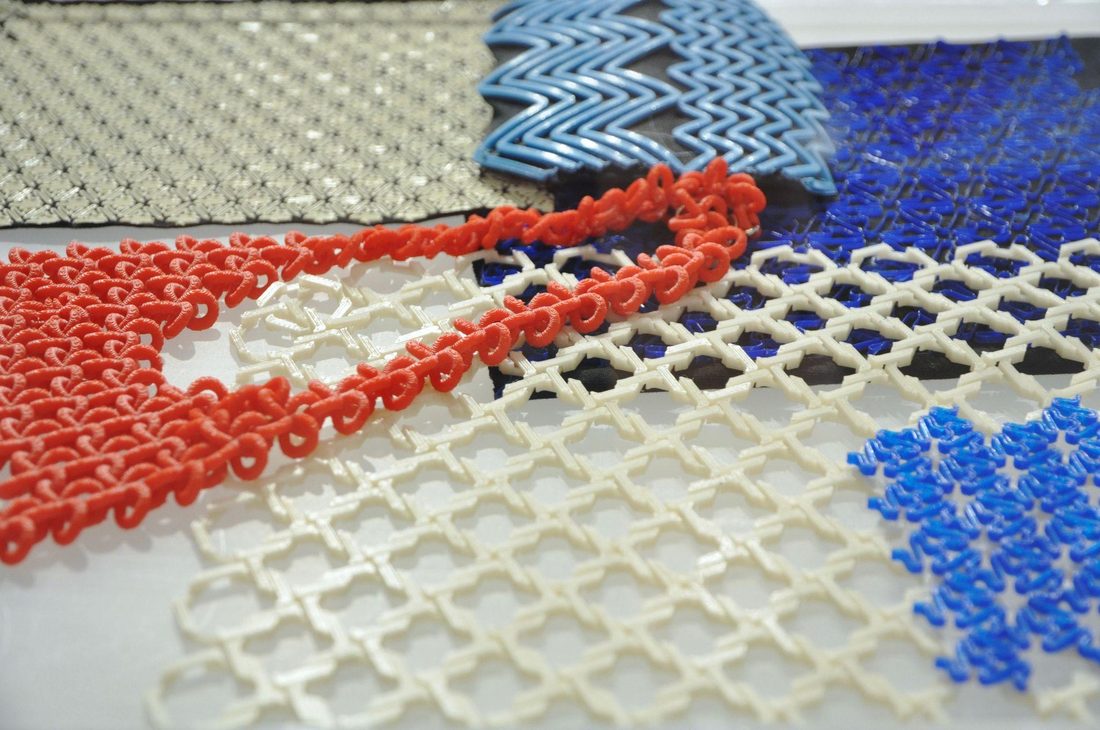
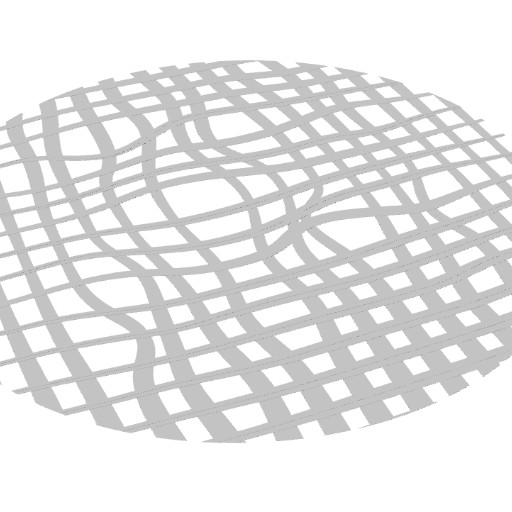
3D modelling and parametric design. Parametric models are what make a printed textile adjustable: change one parameter and the cell size, rib width or link spacing re-computes across the whole piece. The class looks at the work of designers including Julia Koerner as reference points for that approach.
Techniques and materials. Rigid and flexible filaments, the fabrics each one bonds to, and the three printing technologies currently used with textiles — FDM, SLS and direct-to-textile printing.
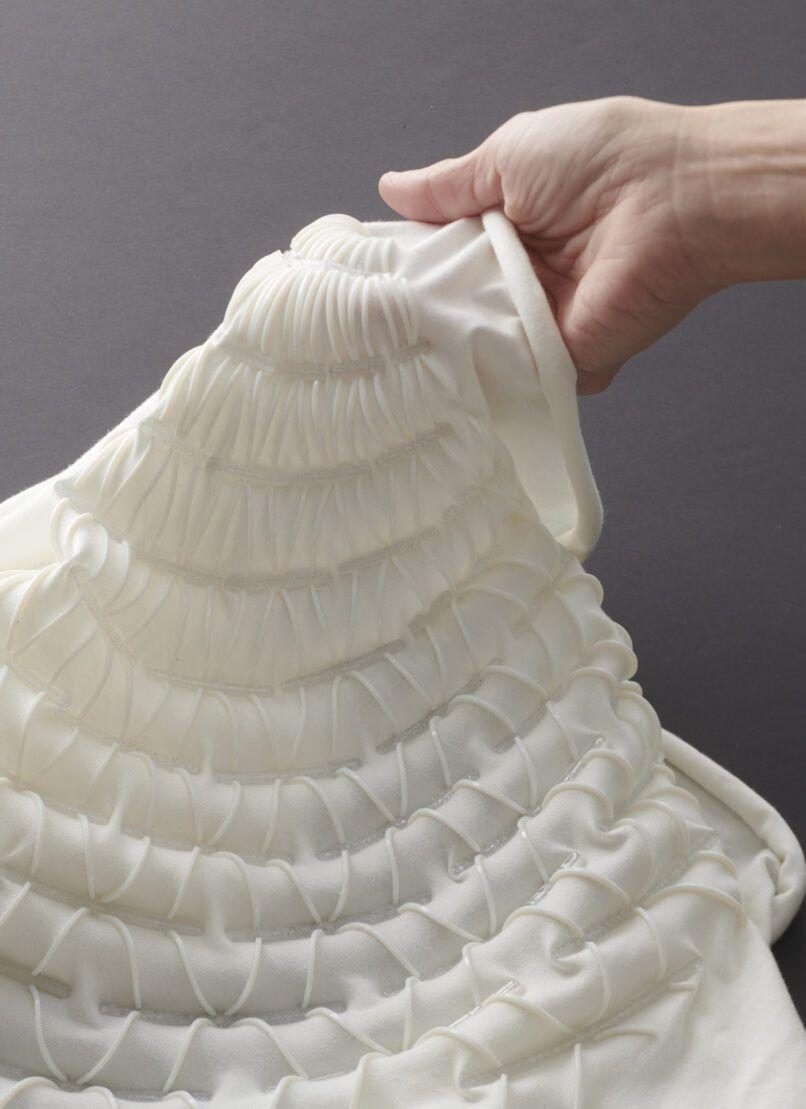
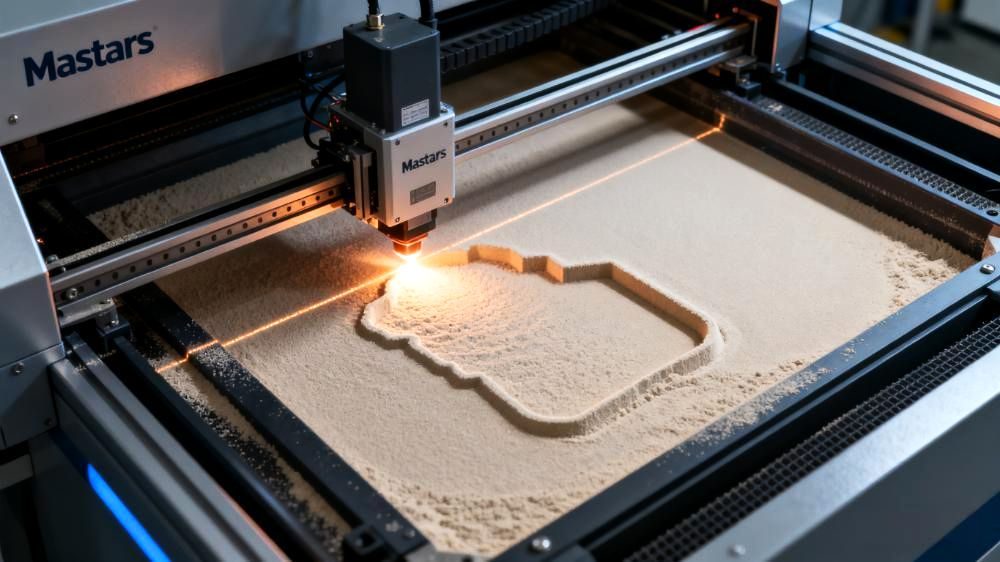
The reference set students work from
The class collects what the field has produced so far:
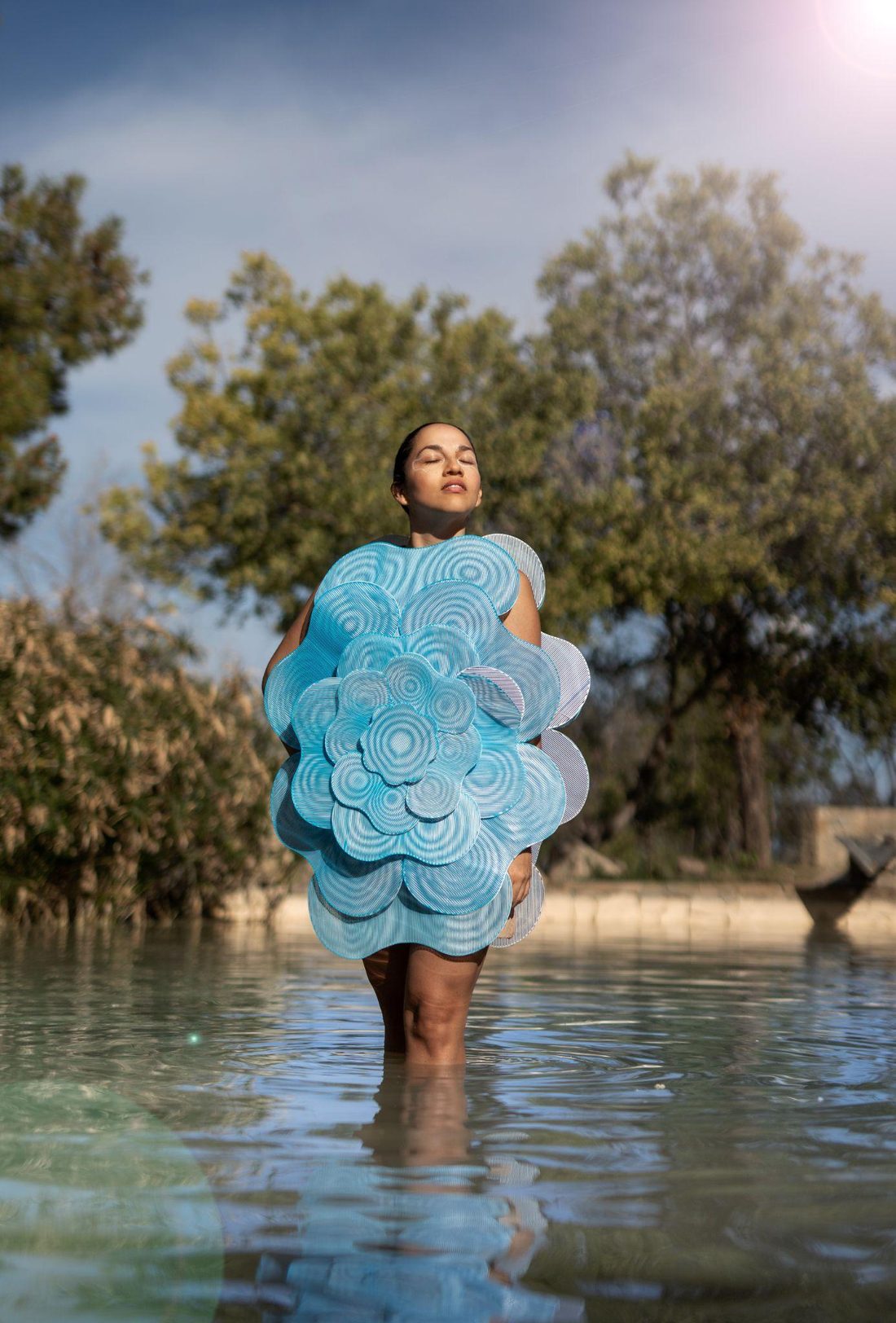
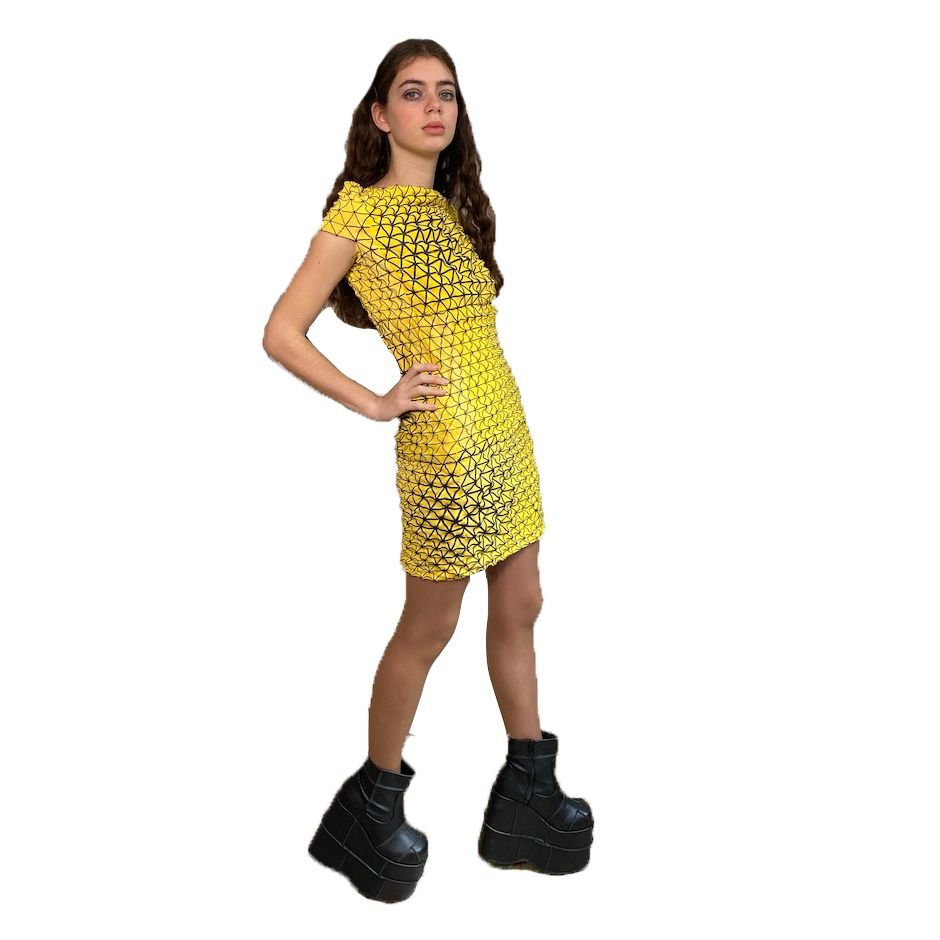
- Ten 3D printed fashion pioneers — from Iris van Herpen to Noa Raviv.
- A taxonomy of 3D printed fashion — 3D printing of, on and for textiles, proposed in this class.
- Case studies of Fabricademy final projects that printed directly on fabric, with their real materials, printers and print hours — such as Moiré Drops by Dinesh Kumar.
Then: how do you get a 3D model?
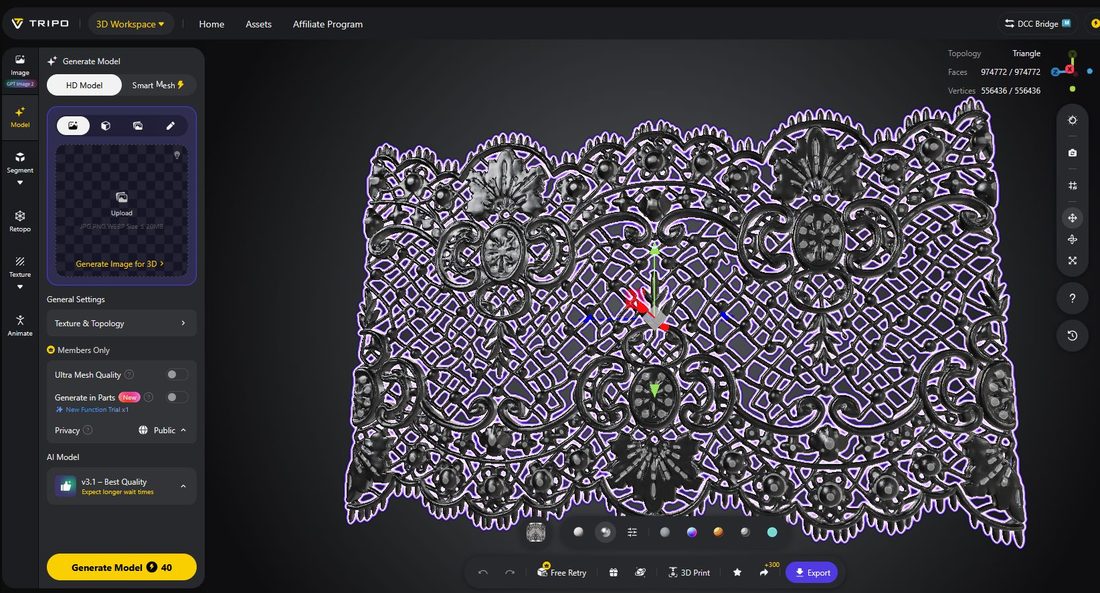
The practical part of the class starts from a simple question with several honest answers: model it from scratch, scan it, download it, generate it from data, or generate it with AI. Each route has a different relationship to authorship and to printability, and students are expected to know which one they used.
Use it, and share what you print
The taxonomy and the case studies are published here so they can be cited and reused in other courses. When your own swatches and garments are printed, add them to the library — a documented print is worth more to the next student than an unexplained photograph.
Share what you make
Every design in this library is published with its printable files under a Creative Commons licence. If you have printed something — or remixed one of these ideas — add it to the catalogue so the next person can build on it.