3D printed fashion taxonomy: printing of, on and for textiles
When everything printed near a textile gets called "3D printed fashion", the field becomes hard to teach, hard to search and hard to compare. This taxonomy splits it into three groups.
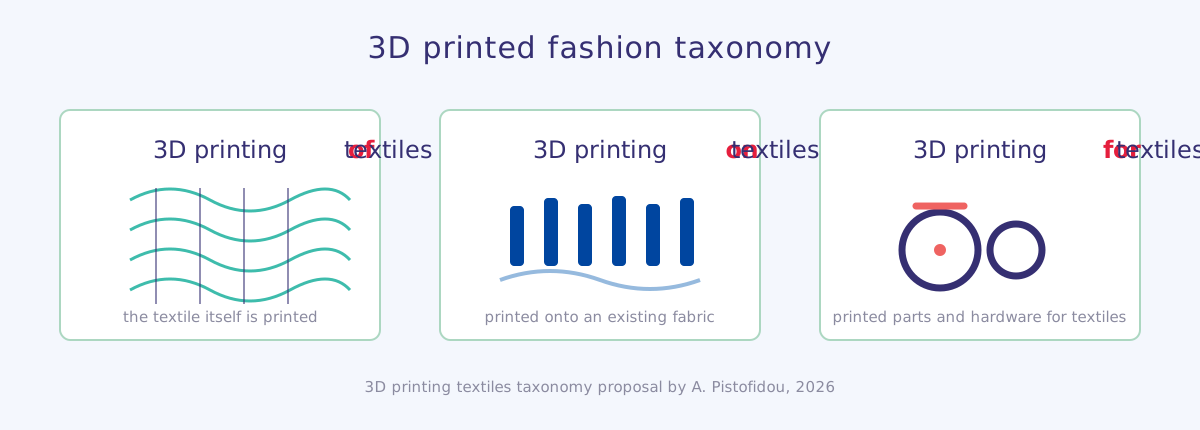
3D printing of textiles
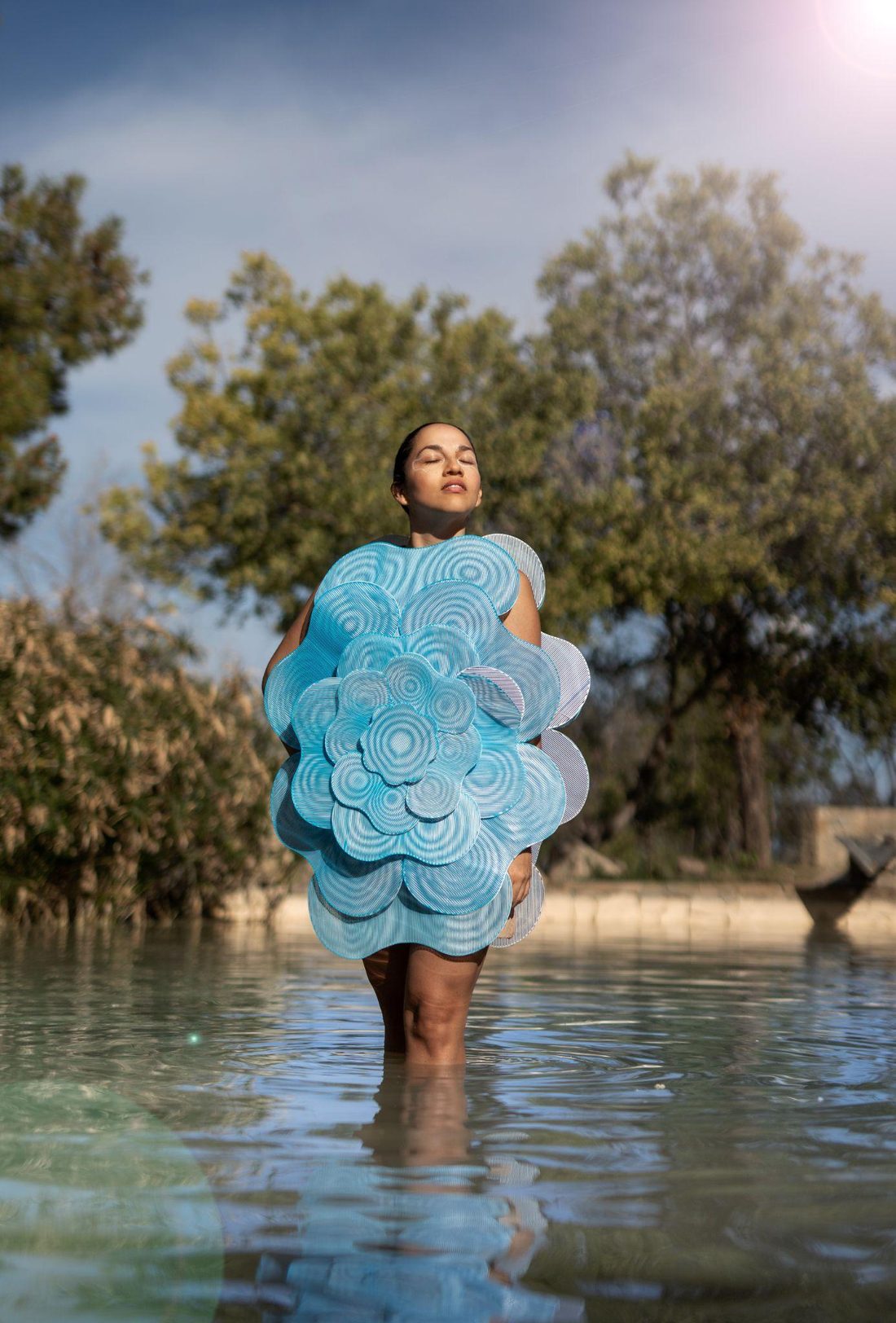
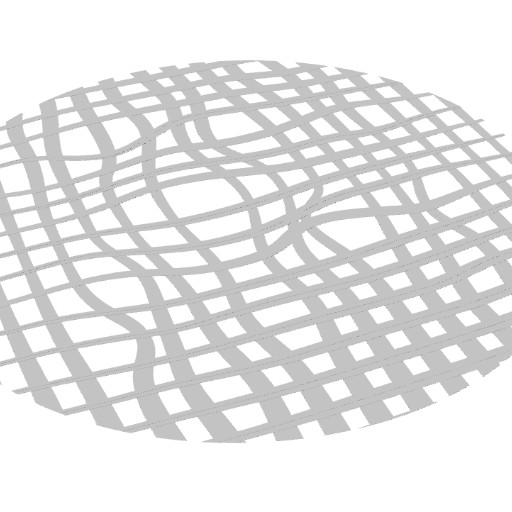
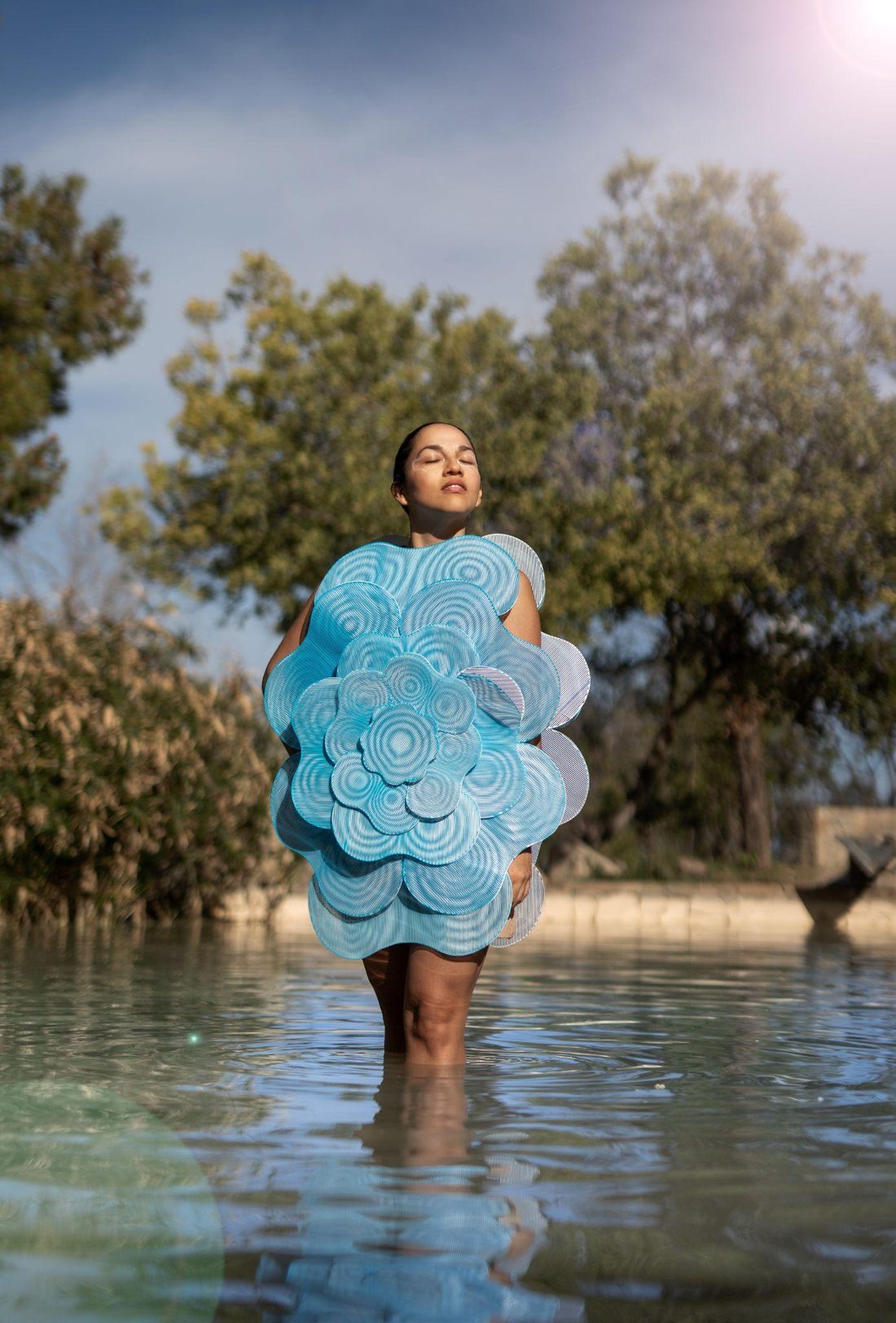
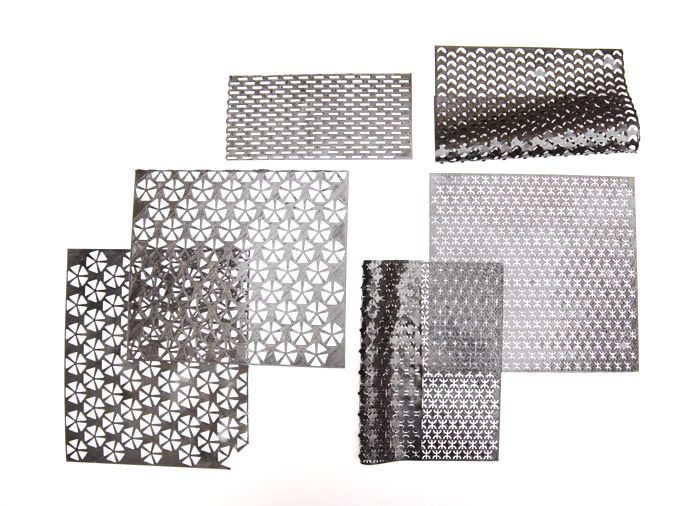
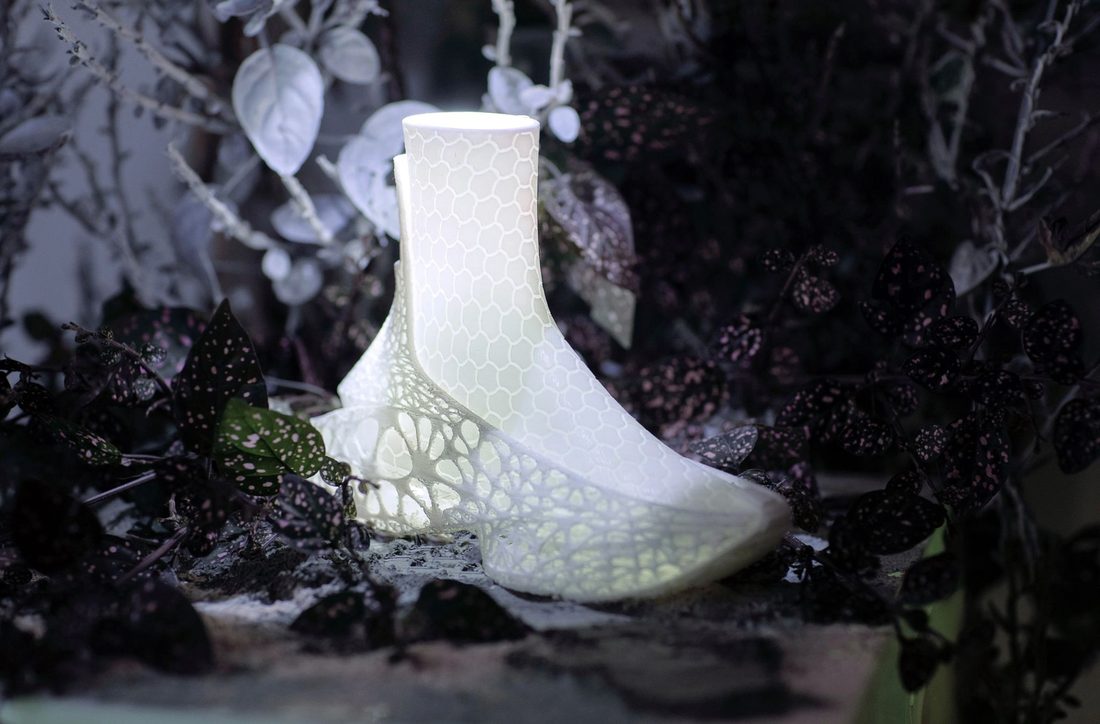
Here the textile itself is the printed object: a continuous, flexible structure printed as one piece — meshes, lattices, interlocking links, variable seams — that behaves like a fabric. Nothing is printed onto cloth; the print is the cloth.
3D printing on textiles
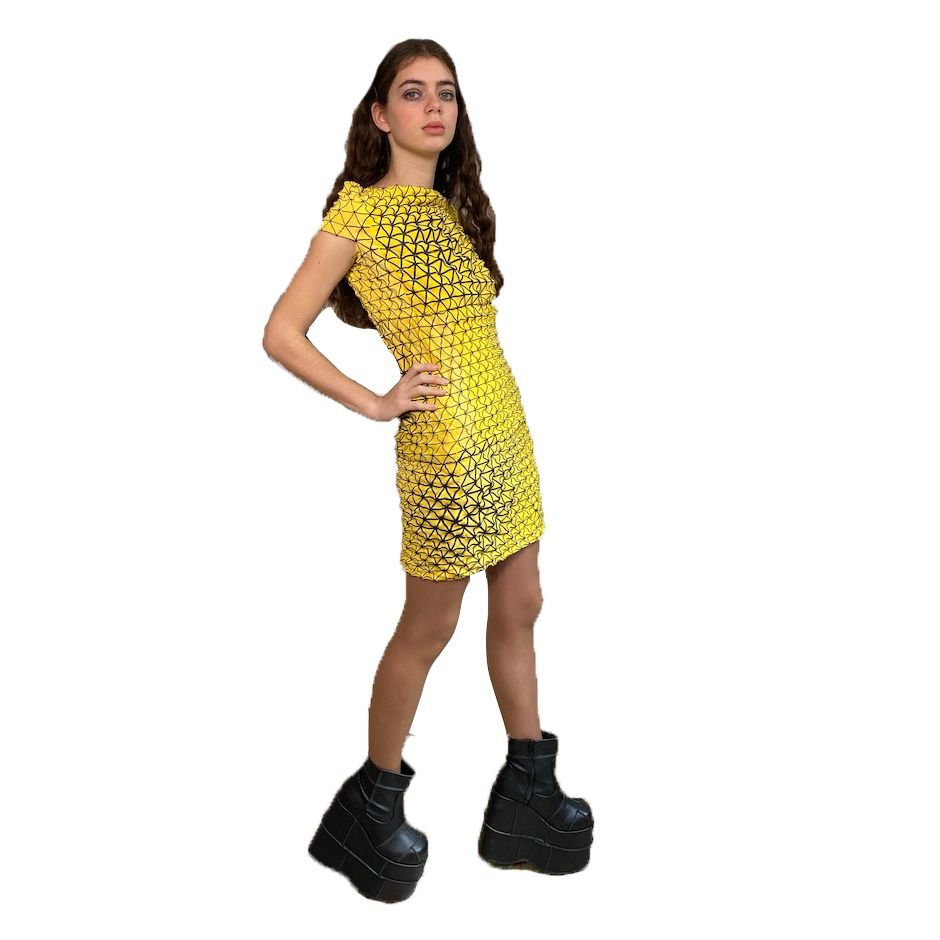
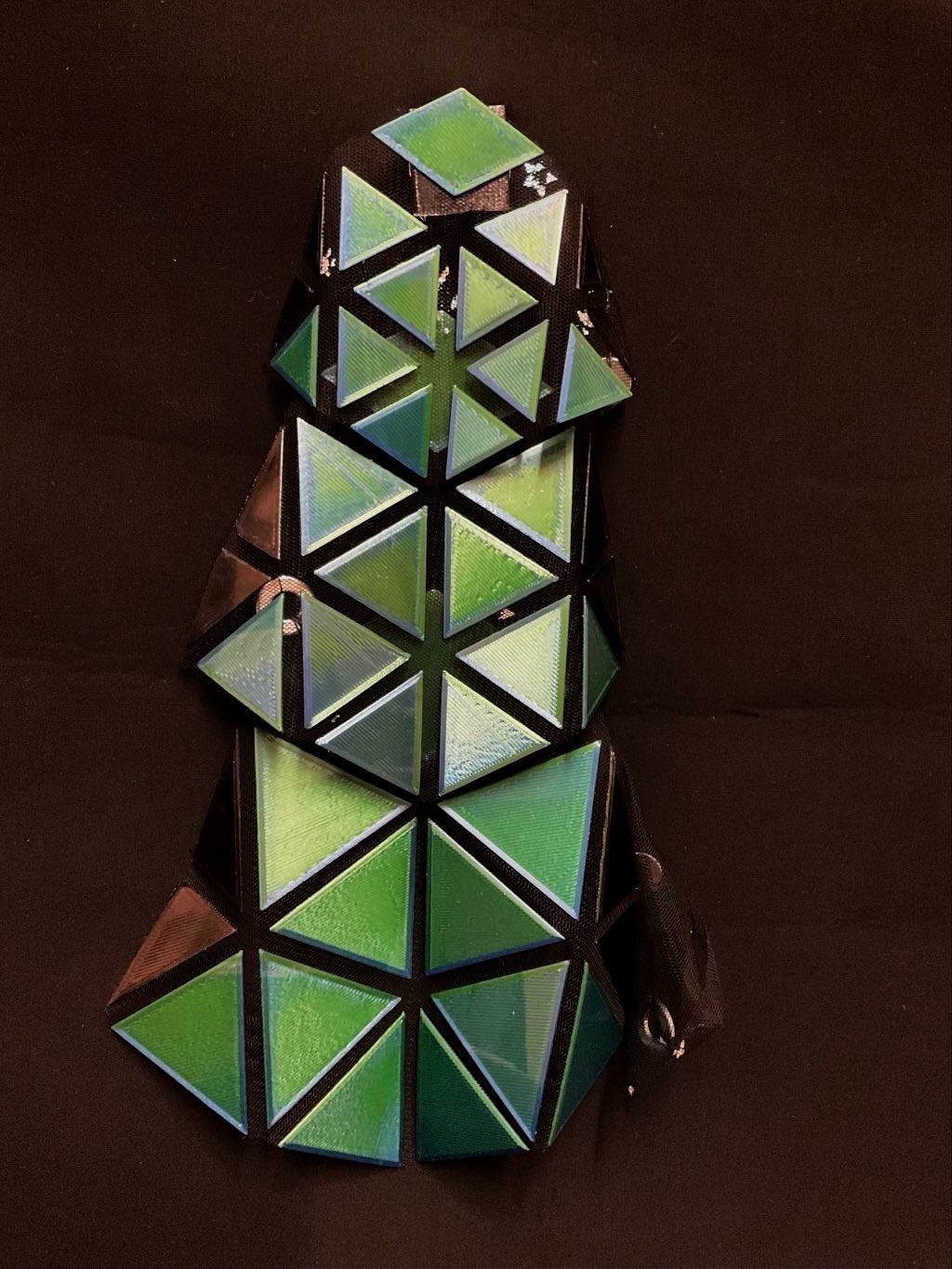
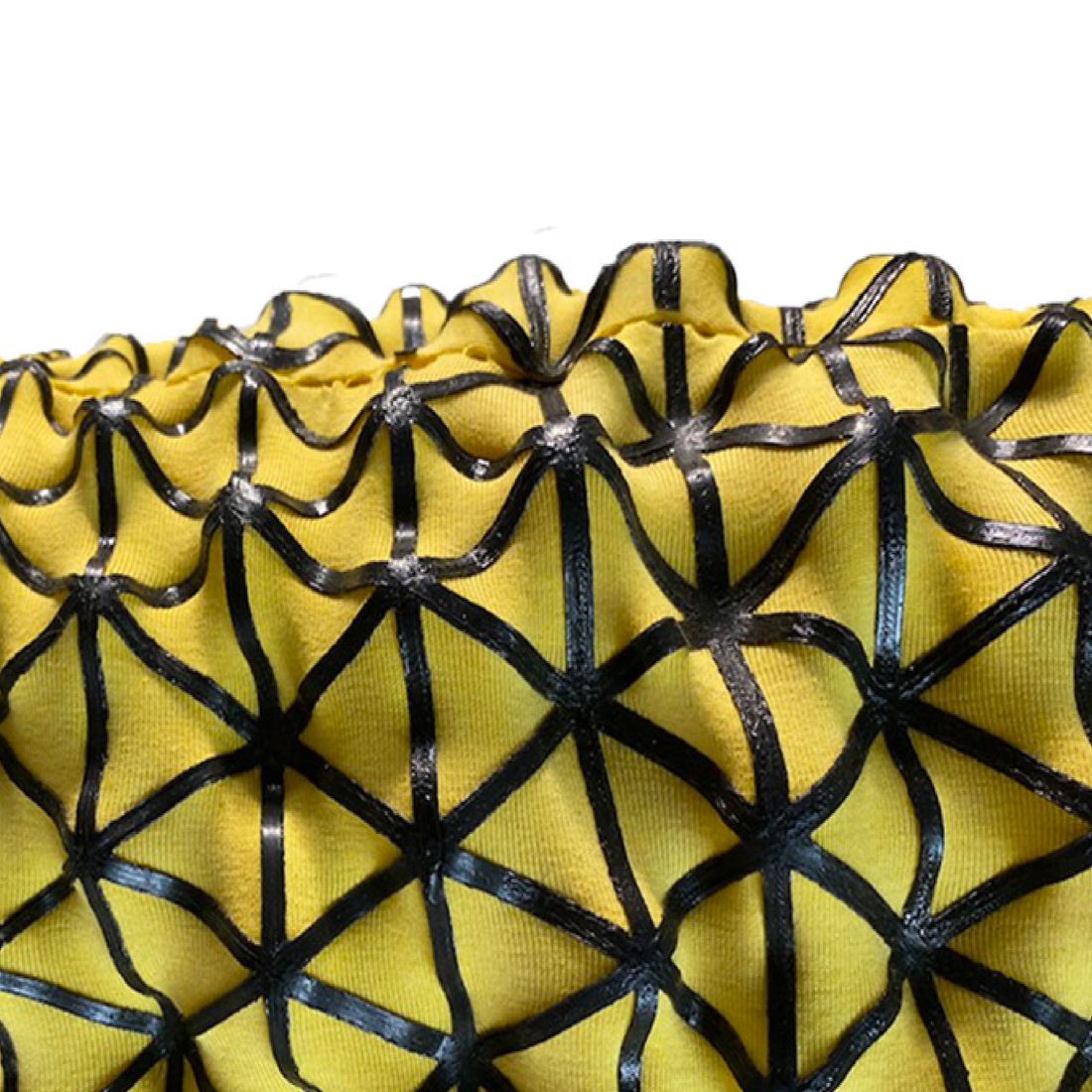
Printing onto a fabric that already exists. Filament is extruded onto, through or into the textile, so the printed geometry and the cloth share the same surface. This is where direct-to-textile work sits, and where the bond between polymer and fibre decides everything.
3D printing for textiles
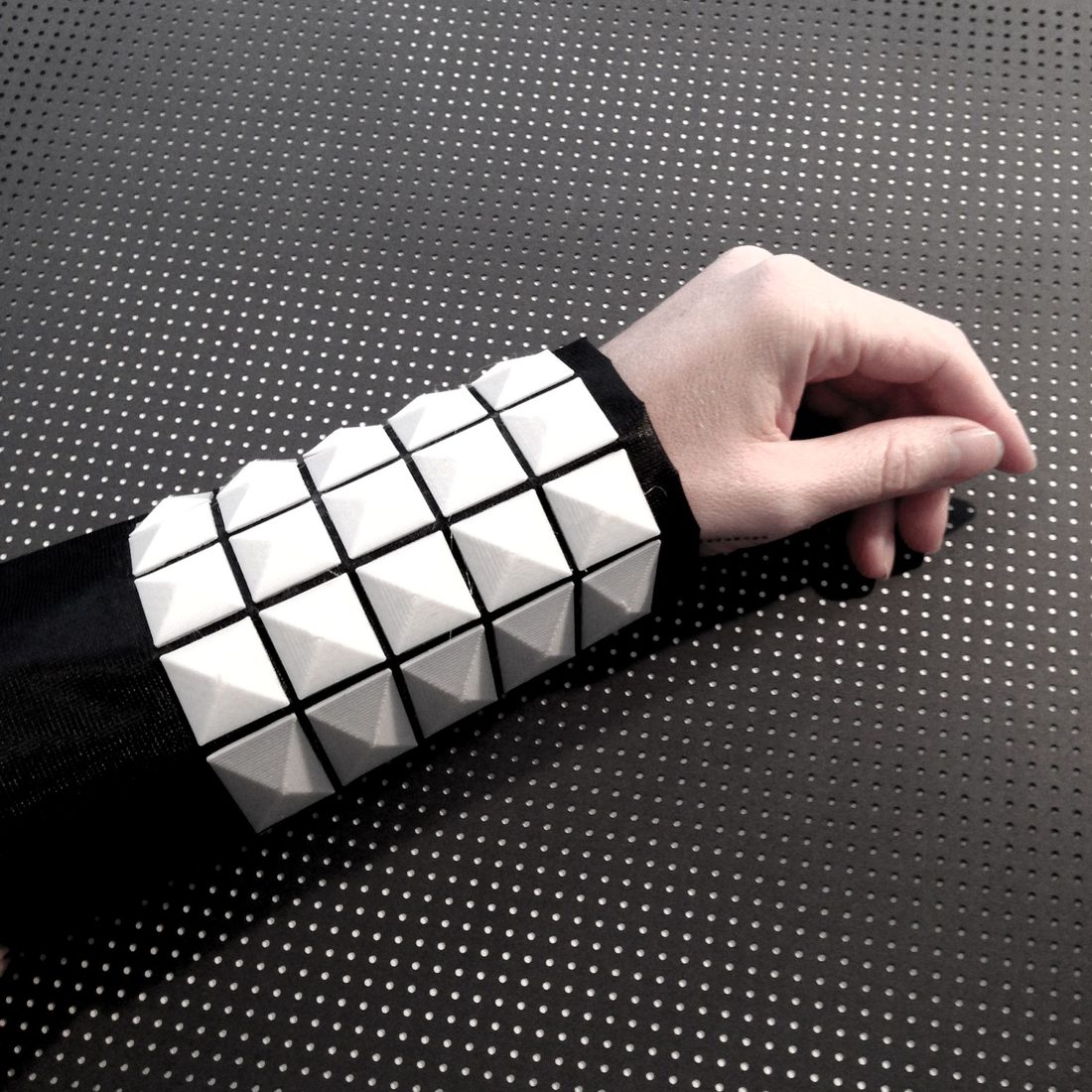
Printed parts and hardware made for textiles and garments without being textiles themselves: closures, fasteners, rings, buckles, trims, components, accessories. The printed object serves the textile rather than replacing or covering it.
Why the split matters
- Vocabulary. Three clear categories mean a design can be described precisely in a portfolio, a paper, or a search box.
- Technique. Each group has its own constraints: adhesion and drape for on, structural flexibility and print time for of, tolerances and wear for for.
- Search. Someone looking for printable fabric is not looking for a printed buckle. Naming the difference is what lets a catalogue be browsable.
The three categories of this library — 3D printing on fabric, 3D chainmail and elastomers — map across this taxonomy, and every design here is tagged so it can be found by technique.
Taxonomy proposal by Anastasia Pistofidou, developed for the Fabricademy Week 7 class "Computational Couture" (2026). If you use it, please cite it.
Related: Ten 3D printed fashion pioneers · Week 7: Computational Couture · The three 3D printing technologies used on textiles
Share what you make
Every design in this library is published with its printable files under a Creative Commons licence. If you have printed something — or remixed one of these ideas — add it to the catalogue so the next person can build on it.